Decks Ready for Safe Daily Use
Deck Cleaning in Greensboro for wood and composite surfaces slick from algae and mildew buildup
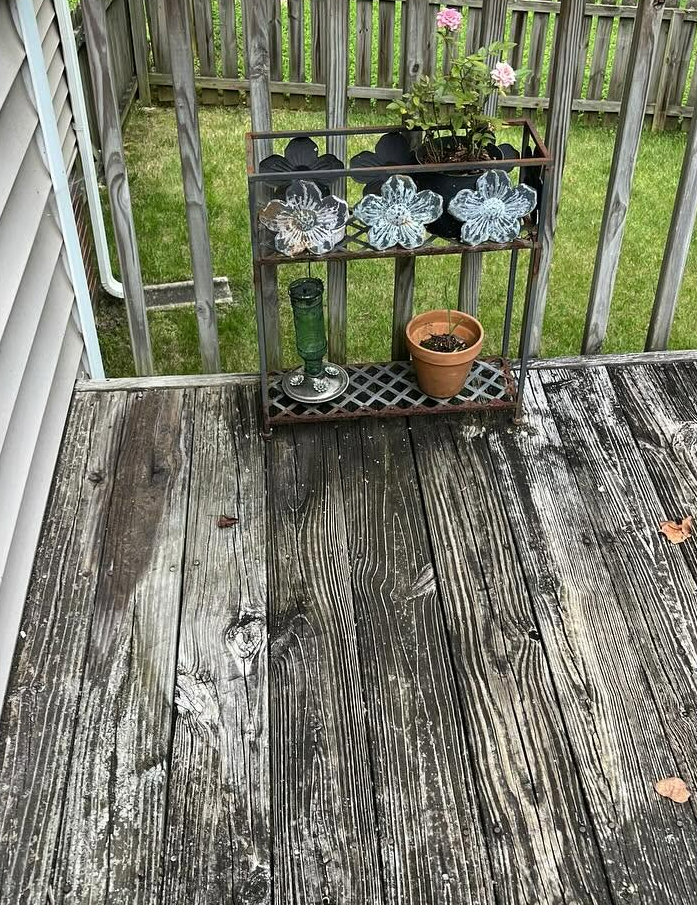
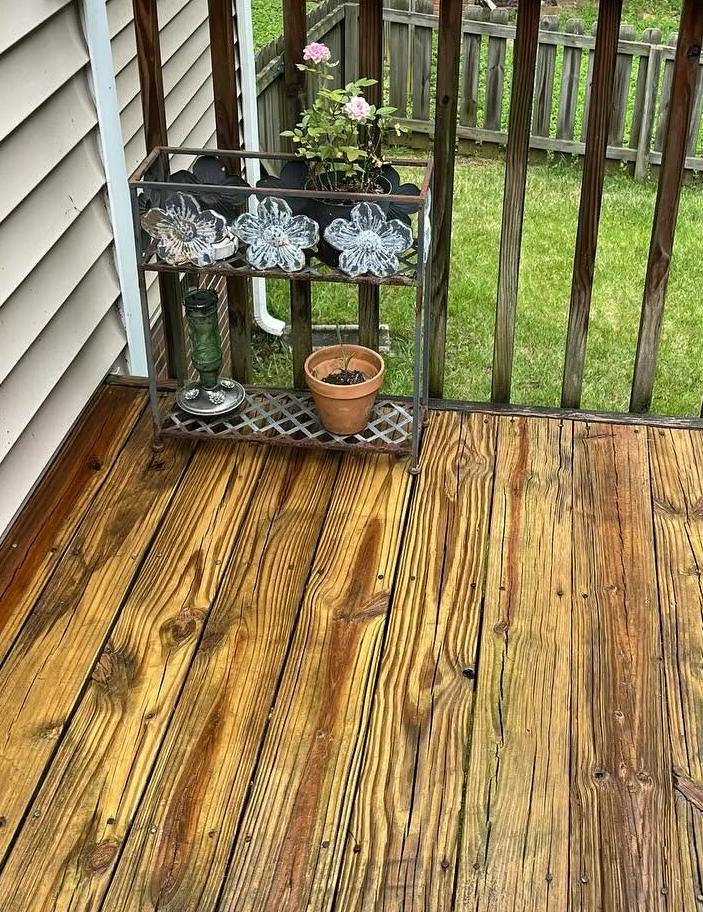
Algae, mildew, pollen, and weather-related buildup collect on decks throughout the year, creating a slippery layer that becomes hazardous when wet and obscures the natural appearance of the material. Professional deck cleaning restores the surface of wood and composite decking without gouging the boards or leaving streaks that reappear after the next rainstorm. Dual Force Pressure Washing in Greensboro removes these contaminants using methods that protect the material underneath, which is especially important for older wood decks where excessive pressure can splinter boards or lift grain.
Wood decking absorbs moisture, dirt, and organic matter into its fibers, while composite materials trap buildup in the textured surface designed to mimic wood grain. Both materials develop dark staining in shaded areas and near planters where water drains slowly. The cleaning process lifts these layers and prepares the surface for staining or sealing if you plan to add a protective finish after the deck is fully dry.
Arrange an on-site evaluation to assess surface condition and identify areas requiring focused treatment before cleaning begins.
What Proper Deck Cleaning Requires
The cleaning method depends on whether the deck is wood or composite and how long buildup has been present. Wood requires lower pressure to avoid splintering and surface damage, especially on older boards that have weathered and softened over time. Composite decking tolerates slightly higher pressure but still demands careful handling to prevent scratching or dulling the factory finish that resists staining and moisture penetration.
After cleaning, the deck surface no longer feels slick underfoot, which reduces the risk of slipping during wet weather or early morning dew. The natural color of the wood or the original composite tone becomes visible again, and you can see the grain pattern clearly without the layer of grime that had dulled the appearance. If you plan to stain or seal the deck, the surface is now ready to accept these treatments evenly.
Cleaning does not repair structural issues like rotted boards, loose fasteners, or failing railings, but it does reveal problem areas that may have been hidden under dirt and organic growth. Addressing these repairs before applying stain or sealant ensures the deck remains safe and functional for years of use.
Answers to Frequent Deck Cleaning Questions
Property owners in Greensboro often have similar concerns about maintaining outdoor wood and composite surfaces safely.
What makes decks slippery even when they look clean?
Algae and mildew form a thin biofilm on the surface that becomes extremely slick when wet, even if visible dirt has been rinsed away. This layer is nearly invisible until someone steps on it, which is why decks can feel slippery despite appearing relatively clean.
How does cleaning prepare a deck for staining?
Stain only penetrates clean wood fibers, so any remaining dirt, algae, or old finish will prevent the new stain from bonding properly. Cleaning removes these barriers and opens the wood grain, allowing stain to soak in evenly and last longer before fading or peeling.
When should a deck be cleaned in Greensboro?
Late spring and early fall are ideal because temperatures allow the deck to dry completely between cleaning and any follow-up treatment. Cleaning in spring removes pollen and organic matter before summer humidity accelerates mildew growth, while fall cleaning prepares the surface for winter weather.
Will cleaning damage older wood decking?
Proper pressure settings and technique protect aging wood, though boards that are already rotting or splintering will show damage regardless of cleaning method. A pre-cleaning inspection identifies vulnerable boards so they can be cleaned carefully or replaced before further work is done.
How often does a deck need professional cleaning?
Most decks benefit from annual cleaning to prevent buildup from becoming severe enough to cause permanent staining or surface damage. Decks in full shade or beneath trees may need cleaning twice a year to control faster-growing algae and mildew.
Dual Force Pressure Washing provides careful deck cleaning that improves safety and appearance while protecting the material underneath. Schedule professional service to restore your outdoor living space before buildup becomes harder to remove.